
GICT knowledge base
How to Install DataLife Engine Manually in Linux?
Published
DataLife Engine is a CMS (Contents Management System). It is a paid CMS. DataLife Engine mainly focused on social media like and blogs. This tutorial will help you how to install DataLife Engine on Linux.
1) First, you need to create a database and database user.
Here is the example for creating below database and database user.
Database: example_dle
Database user: example_dle
DB user password: Tqwe123!@#
Run below commands to create database and database user
Login to server via SSH.
#mysql
mysql> CREATE DATABASE example_dle;
mysql> CREATE USER ‘example_dle’@’localhost’ IDENTIFIED BY ‘Tqwe123!@#’;
mysql> GRANT ALL PRIVILEGES ON example_dle.* TO ‘example_dle’@’localhost’;
mysql> FLUSH PRIVILEGES;
mysql> exit
2) Now download DataLife Engine from the official website.
Here I am going to install the trial version. Go to the official website and copy download link address.
Login to the server via SSH and go to the document root of the domain which you want to install DataLife Engine
#wget https://dle-news.com/files/dle12.0_english_trial.zip
#unzip dle12.0_english_trial.zip
#mv upload/* .
3) Go to your web browser and load http://yourdomain/
You will get below window. Then click “Start the installation”
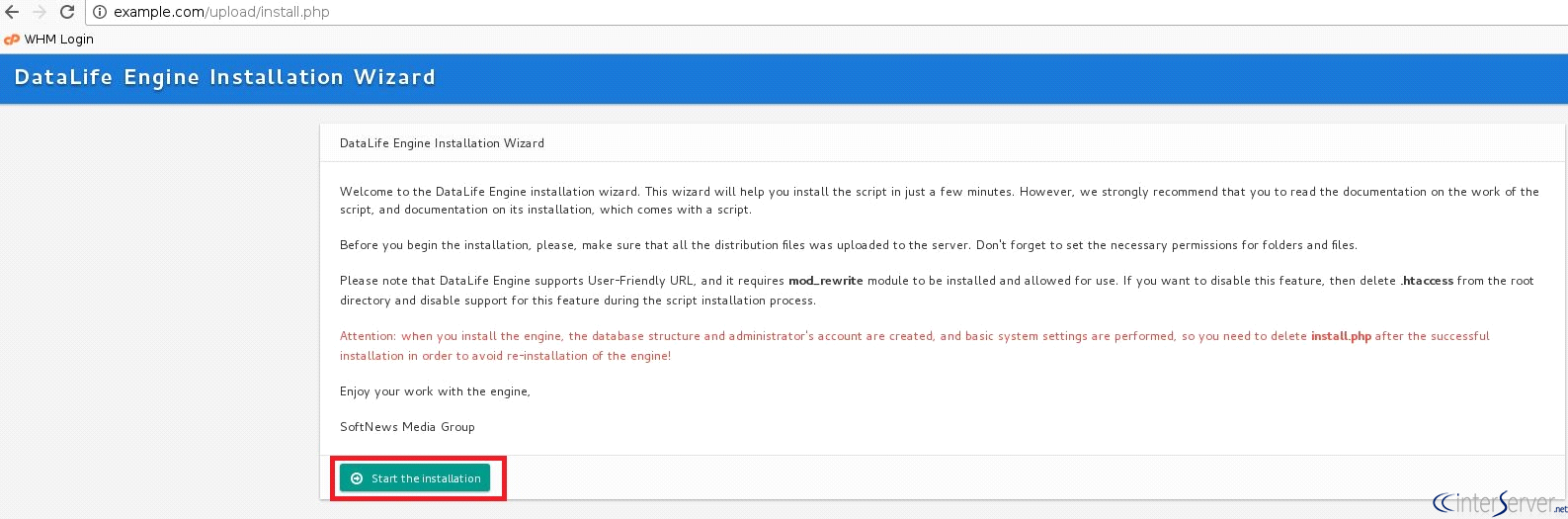
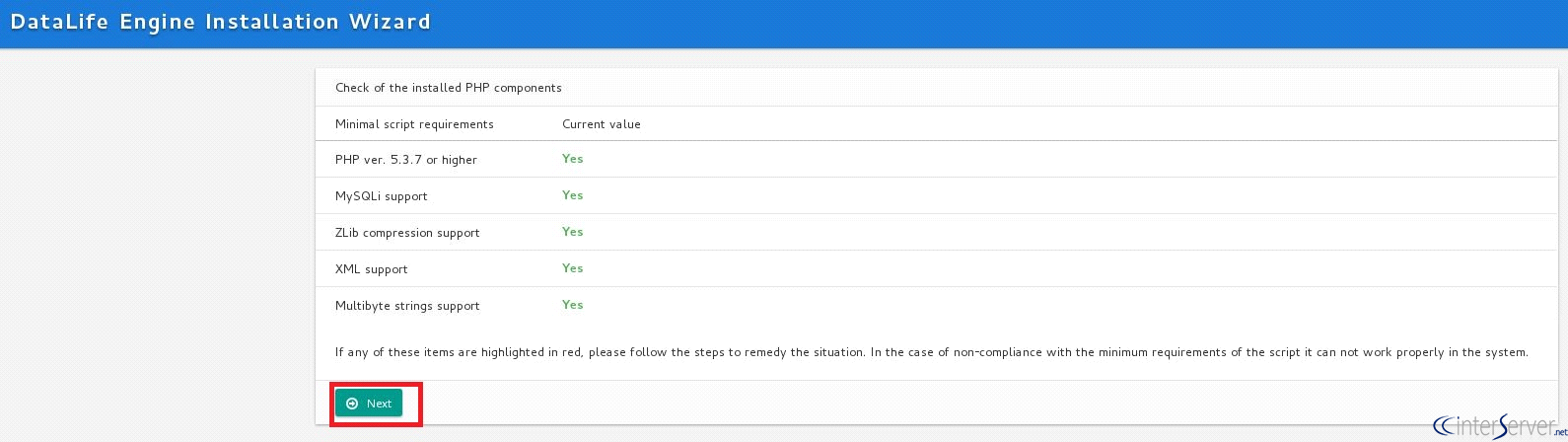
4) Accept the license agreement and click “Next”. Then check the installed PHP components then click “Next”
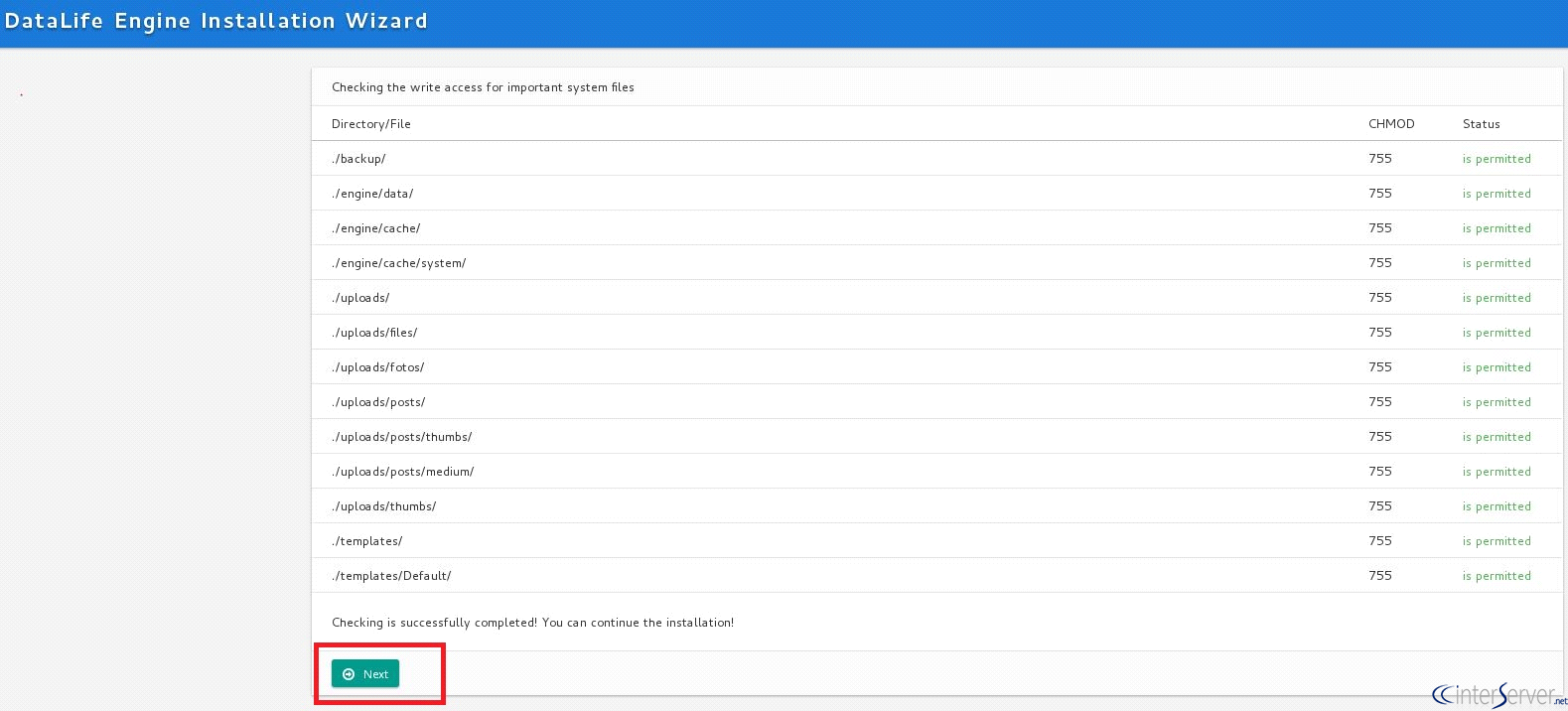
5) Make sure your directory permission is correct.
6) Enter data base details and administrator account details.
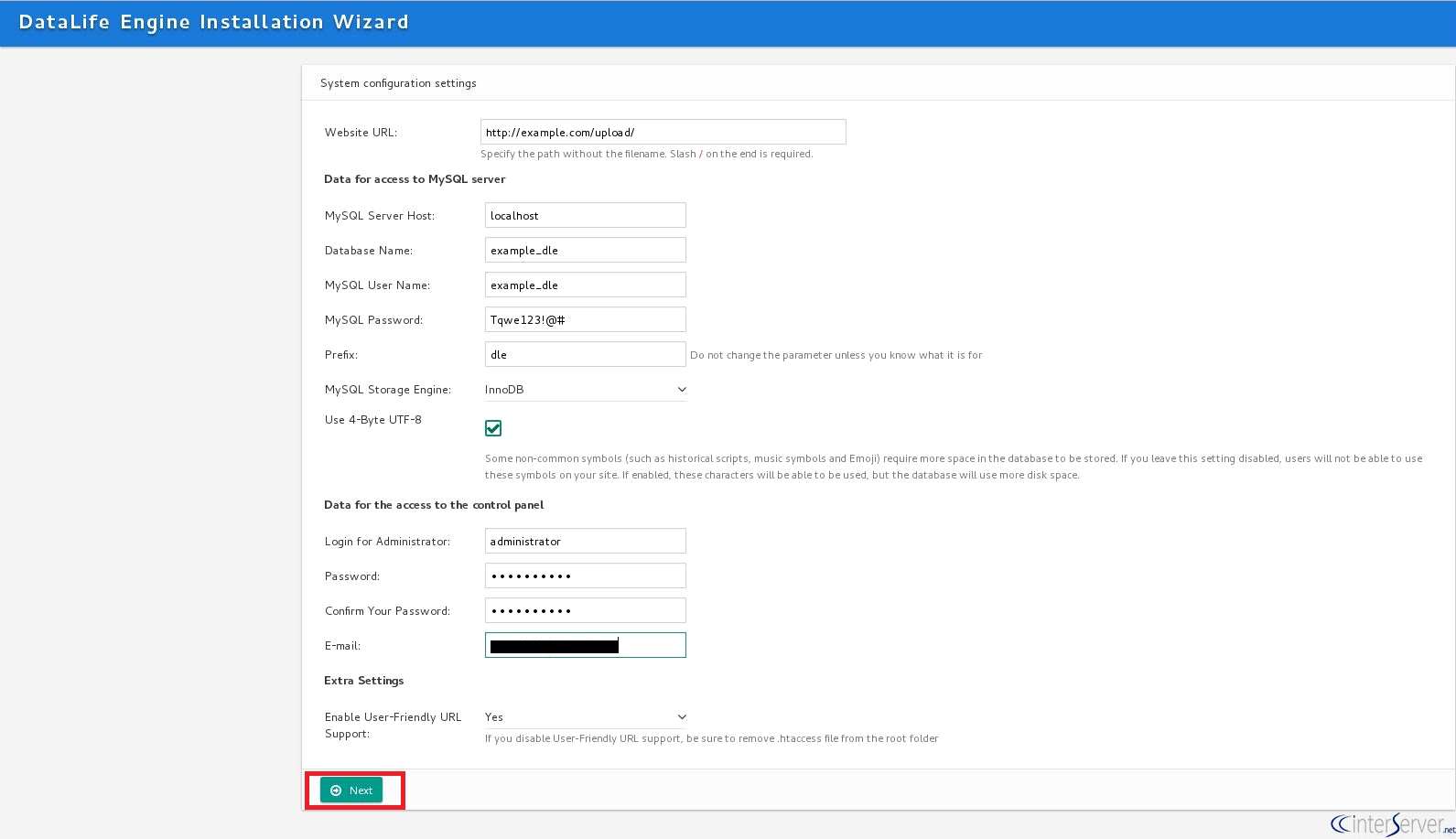
The installation has been completed. Click “Next” to show website
Please note: Remove install.php file after the successful installation in order to avoid re-installation of the engine.
If you need any further assistance please contact our support department.
Related guides
How to Restrict an SSH Key to One Command
Restrict an SSH key to one command with authorized_keys options. Protect the command and check that unwanted shell and forwarding access are denied.
Linux and CommandsSelf-Hosted Video Processing With FFmpeg: A Practical Guide
Learn how to self-host video processing on a VPS using FFmpeg, with practical commands for conversion, compression, thumbnails, and automated workflows.
Linux and CommandsHow to use nohup: Commands in Linux That Survive Terminal Closes
Keep commands running after you close the terminal. nohup examples with wget, Python, rsync, and Docker on any VPS.
Linux and CommandsHow to Fix “Too Many Open Files” Error on Linux Servers
Learn how to fix the "Too Many Open Files" error on Linux servers by understanding file descriptors, adjusting limits, and diagnosing leaks effectively.