
GICT knowledge base
How to Increase the Upload Size of MySQL Database in PhpMyAdmin on a cPanel Server?
Published
How to Increase the Upload Size of MySQL Database in PhpMyAdmin on a cPanel Server?
The cPanel server imposes a limit for the database which can be uploaded into PhpMyAdmin. The default limit is limited to 50MB. In this case, it will be very difficult to upload a large database to PhpMyAdmin. To cover this up we can increase the upload size of the database file in the PhpMyAdmin. For this, you will have to change some values in the WHM of your server. In this tutorial, let’s have a look at how we can increase the import file size in PhpMyAdmin.
1) Login to the WHM of your server by accessing the link https://yourIPaddress:2087 or https://yourserverhostname:2087
2) Navigate to “Server Configuration”.
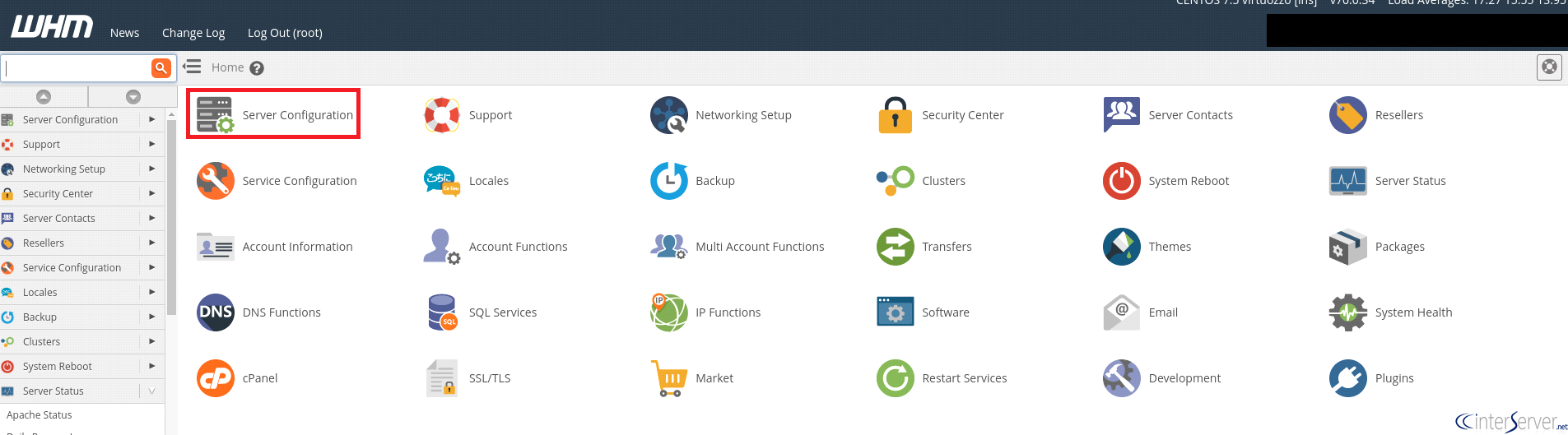
3) Select “Tweak Settings” from it.

4) Navigate to PHP in Tweak settings.
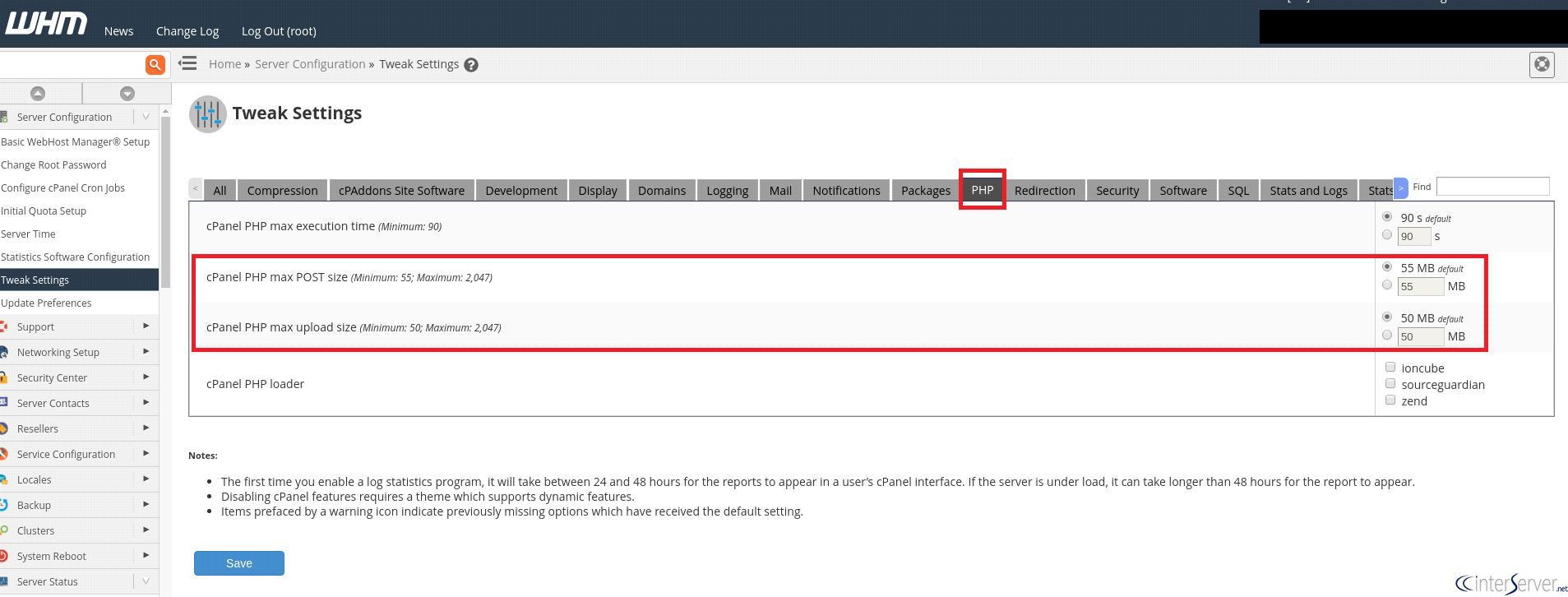
Here you can see cPanel max POST size and cPanel max upload size values, change the values according to your preferred and save it. Now login to your PhpMyAdmin and verify the values, there you can see the value will be replaced with the changed one.
You can perform the same procedure via the CLI also.
1) Login to your server via SSH.
# ssh root@IPaddress
2) Execute the following command, which will display the default PHP ini file of your server.
# php –ini
3) Open it with your favorite text editor.
# vi path_to_php.ini (Replace this with the original file path)
4) Search for the upload and post. There you can see entries like the following.
upload_max_filesize = M
post_max_size = M
Change both the values with your preferred value.
5) Finally, restart the apache service.
# service httpd restart or
# systemctl restart httpd
Thus we have learned how to increase the upload size in PhpMyAdmin.
If you have any doubt regarding this, please do reach our support department via Live chat or support ticket.
Related guides
Host Additional Domains on an Eligible InterServer Account
Check your hosting limits, choose a separate site or alias and use cPanel or DirectAdmin with deliberate DNS, content and certificate verification.
cPanelHardening Your cPanel Server: Beyond the Basics After CVE-2026-41940
Security is a moving target. With the recent discovery of CVE-2026-41940, it has become clear that just having a firewall isn't enough anymore.
cPanelcPanel and Plesk notice: Awstats,. Webalizer and Analog stats are being removed
Important Update: cPanel and Plesk Phasing Out Legacy Statistics Tools If you regularly check your website traffic through your hosting control panel, we have an...
cPanelThe dangers of shared licenses (in other words unofficial/cracked licenses)
Why Cracked cPanel Licenses Aren’t Worth the Risk: A Guide for InterServer Customers When you’re managing a server, every dollar counts.