
GICT knowledge base
The Ultimate Guide to Start Selling Books Online
Published
Take advantage of a growing trend, or self-publish your own work, it’s easier than ever to get started.
Selling books online has many benefits, like low startup costs, reaching a global audience, and the freedom to focus on specific genres or types of books.
The key is to get started and keep growing from there. We’re here to help you every step of the way, from choosing the right book niche to finding the best places to sell and promote your books online.
Understanding the Online Book Market Landscape
This research will help you understand your target audience, choose the right books to sell, set prices, and figure out where to reach potential buyers.
Investigate the market.
Here are a few ways to identify potential buyers and current trends:
- Check bestseller lists: Look at the New York Times, Amazon, Goodreads, and LibraryThing to see which books and genres are popular.
- Follow social media: Pay attention to platforms like TikTok, where “BookTok” creators discuss and recommend books.
- Use research tools: Google Trends shows you what genres are hot, and tools like Amazon Kindle Spy give you deeper insights into the book market.
Specify your target audience
Based on your research, determine who is most likely to buy the books you want to sell. Consider factors like their age, hobbies, job, and interests.
You’ll also want to know if they prefer physical books or eBooks and where they like to buy them. This will help you make smart choices about what books to sell, where, and how to market them to your buyers.
Choose the types of books to sell
The next step is to choose what kinds of books you want to sell.
Selling new books
You can get new books from wholesalers, publishers, and distributors. This is a good option if you want to offer the latest books, but it usually comes with higher startup costs since many sources require minimum order amounts.
On the plus side, you can sell books in bulk. Selling textbooks or guides could appeal to libraries or schools.
Selling used books
Selling used books can be a more straightforward way to start with a lower investment. You can find used books in many places, like eBay, Facebook Marketplace, local thrift stores, library, and yard sales.
Selling infrequent books
Selling rare books can be a great opportunity if you know about specific types of books. These books are often collectible, and buyers are willing to pay more, especially if they’re in good condition.
Examples include first editions, limited editions, signed books, and out-of-print books. Finding these rare books may take effort, but you can find valuable titles with the right knowledge.
Dealing self-publishing
If you want to sell books you’ve written, some platforms make it easy to self-publish. You can use Kindle Direct Publishing to publish eBooks and reach a broad audience on Kindle. For physical books, services like Lulu or IngramSpark can help with everything from production to distribution.
Source Your Inventory
You can gather books for sale through various sources. Each option offers different opportunities, but the important thing is understanding what your customers want and using different channels to build a profitable collection.
Personal collection
One of the easiest ways to start selling books is to sell books you already own. This requires no investment and can help you free up space at home.
However, your inventory will be limited to the books you have; if you have books with sentimental value, it might be hard to part with them.
Wholesalers and distributors
You’ll need to partner with wholesalers or distributors who sell in bulk to sell new books.
Do some research to find reputable suppliers, especially those that specialize in the types of books you want to sell. For instance, Book Depot offers general books and bestsellers, while Baker and Taylor Wholesale are good for academic books.
Most of these suppliers require you to open a business account and meet their minimum order requirements. Some may also require a registered business and EIN to purchase from them.
Library sales
Many libraries hold sales to get rid of old books. These sales can be great for finding rare or out-of-print books at lower prices, which can mean more enormous profits for you.
However, these sales are often irregular, so you may need other sources. It can also take some time to sift through the books to find valuable ones.
Auctions
Book auctions, both in-person and online, can be a good place to find rare, undervalued books.
It can be a fun and exciting experience, but you should always research the books you’re interested in to avoid overbidding. Be ready to buy books in bulk, as you may end up with unwanted titles before finding the one that makes the purchase worthwhile.
Used bookstores
Another great option is to build a relationship with local used bookstores. They may offer discounts for bulk purchases or let you know about new acquisitions they’ve received.
Look for books in genres or categories that may not be in demand locally but could do well online.
Yard sales
Yard sales, especially those advertised online, can sometimes be a goldmine for book lovers. Please arrive early and check the prices of books online before you buy them.
It might take some time and effort to visit multiple sales, and the quality can vary, but sometimes, you can find hidden treasures priced too low.
Estate sales
Estate sales can also be a great place to find rare or collectible books. They can be unpredictable like yard sales, but there’s also the chance of finding entire collections from specific authors or genres.
Economy stores
Thrift stores can be a great place to find books priced lower than their actual value. Their stock changes often, so it’s worth checking for books in good condition that could be popular with specific buyers online.
While it might take some time to visit frequently, and the selection may not always be great, the lower prices at these stores can help you make a good profit.
Tips for Evaluating Book Condition
Properly assessing the condition of books is important to maintaining a good reputation as a seller and satisfying customers.
Before listing a book for sale, make sure you understand the platform’s guidelines and write a transparent and honest description of the book’s condition.
Here’s what to check when evaluating a book:
- Cover, spine, and edges: Look for wear, damage, tears, or stains.
- Pages: Check for loose or missing pages, yellowing, tears, annotations, or unpleasant odors.
- Inscriptions: Special inscriptions can add value to collectible or rare books. Verify the date and authenticity of the inscription.
Choose the Right Selling Platform
The best place to sell books depends on your goals and situation.
Using a third-party marketplace is a good option if you’re just looking to get rid of old books and make some extra cash.
But if you’re aiming to make a full-time income or a solid side income from selling books, these platforms may not be the best choice. They often have lots of competition, take a cut of your sales, and don’t give you much control over how you present your brand.
Amazon
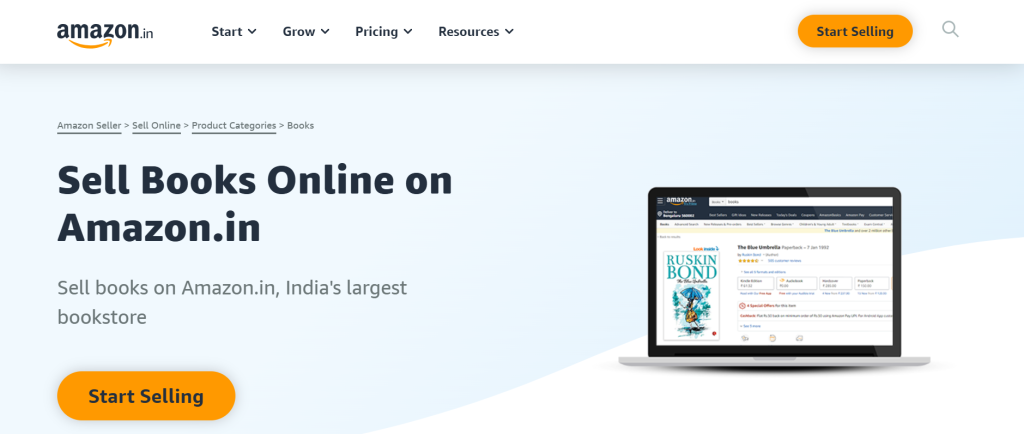
It is the largest online medium for selling books, giving you access to a vast audience. However, it also means there is a lot of competition.
You can sell new and used books, or even publish your own in physical or digital form. But to stand out, you’ll need to offer something unique.
eBay
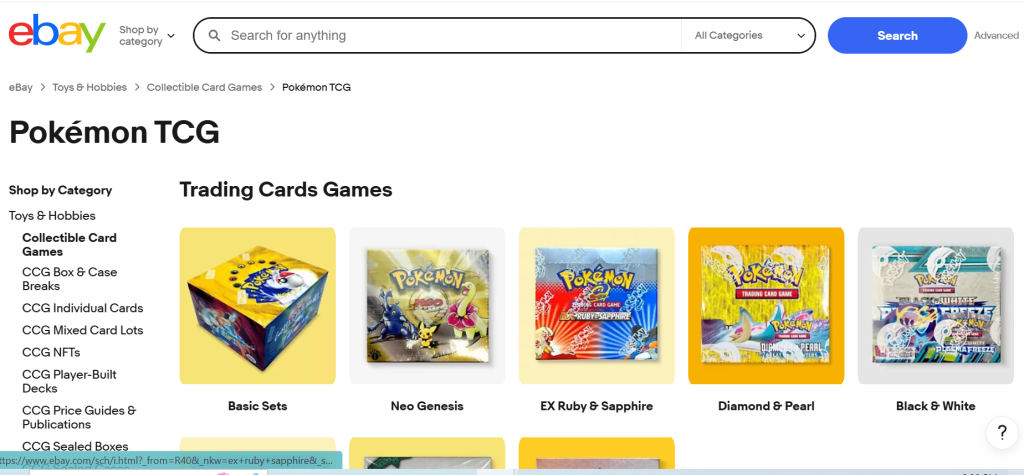
eBay has a large, active user base, making it easy to reach buyers from all over the world. Selling books through an auction can help you get higher prices, especially for rare or collectible items.
However, like Amazon, eBay also has a lot of competition, and it can be hard to build your own brand on the platform.
Powell’s Books
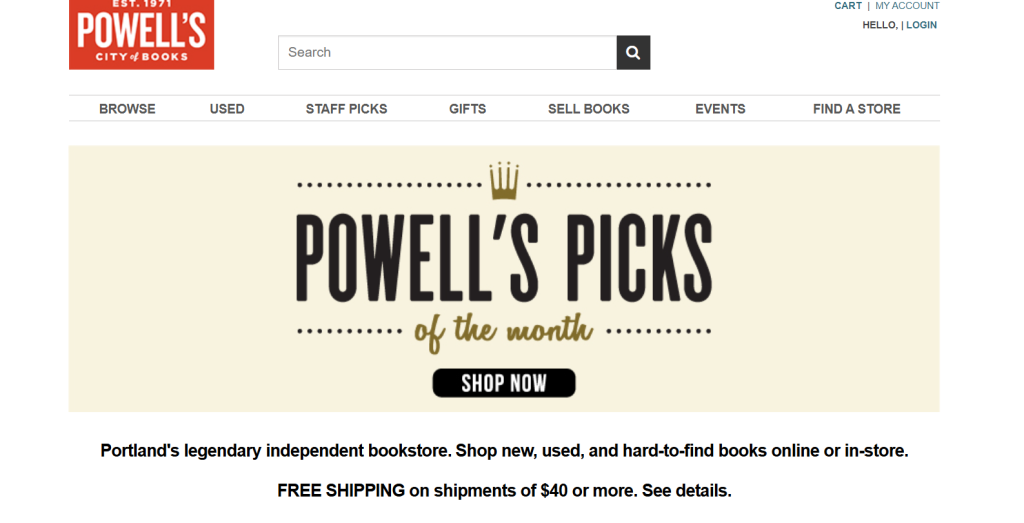
Powell’s Books is one of the biggest independent bookstores globally. They accept a variety of books, including new, used, rare, and even out-of-print ones.
Selling is simple because you sell directly to Powell’s rather than individual customers. While they have strict guidelines for the books they accept, they offer good prices, especially for rare books that are in demand.
Write Compelling Book Descriptions
Writing clear and engaging descriptions for your book listings can really help attract more buyers.
Here are some key tips to write a good description:
- Include basic details: Add important information like the author’s name, genre, year of publication, and page count.
- Write a short summary: Briefly describe the book’s plot without giving away any spoilers.
- Be honest about the condition: If the book is old or shows signs of wear, be upfront about it. This builds trust and reduces returns.
- Mention anything special: If the book is unique, like a first edition or signed by the author, be sure to point that out.
- Share reviews or awards: If the book or author has received good reviews or awards, include that information.
- Target your audience: Use language that speaks to the right people. For example, say it’s “perfect for mystery fans” or “great for young readers.”
Along with these tips, try adding relevant keywords in your description to help people find your books when they search for them.
You can use tools like Google Keyword Planner or Helium 10 to find the right keywords.
Take High-Quality Book Photos
Taking good photos of your books is key to showing their value and attracting buyers.
Clear, well-lit photos make your listings look more professional and trustworthy. When shoppers see good photos, they know you’re serious about your business, which can increase the chance of a sale.
High-quality images also help buyers check the condition of the book, which is important for reducing returns.
Here are some tips for taking great book photos:
- Lighting is important: Natural light is the best option, so try shooting near a window on a bright day. If natural light isn’t available, consider getting a lightbox to help with consistent, clear photos.
- Show all angles: Take shots from the front, spine, and back cover to give buyers a clear idea of the book’s condition. Also, capture close-ups of any special features, like illustrations, signatures, or any damage.
- Use a simple, neutral background: A plain, light-colored background works well and keeps the focus on the book.
- Edit your photos: Adjust brightness, crop out distractions, and sharpen details to make the photo clearer.
- Keep it consistent: Try to use the same style for all your photos to create a recognizable look for your listings.
By following these tips, you’ll present your books in a way that can lead to more interest and sales.
Set Competitive Prices
Choosing the right price for your books is important for making sales and earning money. The main things that affect the price are the book’s condition, rarity, and demand.
Condition.
Books in good condition with little or no damage usually sell for higher prices than those with signs of wear.
Rarity.
Rare books, such as first editions, signed copies, or limited edition prints, tend to be worth more.
Demand.
Some books, like textbooks, have consistent demand. Other books may have changing demand based on things like the author’s popularity, the time of year, or mentions in the media.
Keep an eye on competitor prices
It’s a good idea to compare prices of similar books on different websites. Look at the book’s condition, the seller’s ratings and reviews, and any special deals like free or fast shipping. Checking what others are asking will help you figure out a fair price for your books.
Factor in your costs
When deciding on your book prices, don’t forget to consider:
- Your buying costs: Think about how much you paid for the book, shipping costs, and any expenses for cleaning or fixing it.
- Shipping costs: Consider the price of postage, packaging, and the time it takes to ship the book.
- Platform fees: Different platforms have different selling fees, and there are also payment processing fees through services like PayPal or Stripe.
Tips for setting your profit margins
All the above factors will affect your profit margins.
You might be able to set a higher price if your books are rare or in excellent condition. If you have common books or want to sell quickly, you may want to go with a lower margin.
Be flexible with your pricing and adjust it based on competitor prices, how much stock you have, and changes in demand during different times of the year.
Fulfill Customer Orders Effectively
A smooth order fulfillment process is key to selling books online. It helps keep customers happy and can turn one-time buyers into regular customers.
Here’s a look at what you need to think about when fulfilling orders:
Choose the right packing materials.
To make sure the books arrive safely, use bubble wrap to protect the covers and corners. You can also use padded envelopes or boxes that are the right size, filling any empty spaces with packing peanuts or crumpled paper.
Pick shipping methods that balance speed and cost.
For common books, a slower and cheaper shipping option might work, while more valuable books might need faster shipping. Although faster shipping could cost more, it may keep customers happier.
Keep track of your shipping costs.
Calculate the cost for each book based on weight and where it’s going. Most shipping companies offer online calculators to help you figure this out. When setting the price for shipping, remember to include the cost of packaging materials. Offering free shipping on orders over a certain amount can also help encourage bigger purchases.
For eBooks, use a trusted delivery system.
Selling through well-known platforms like Amazon Kindle Direct Publishing or Smashwords makes things easier, as buyers can instantly download their eBooks. Just be sure everything is set up properly before you start making sales.
How to Keep Customers Happy
Being clear from the start helps improve customer satisfaction. Here are some important things to think about to keep your customers happy:
- Offer a fair and easy-to-understand return policy: Let customers know how long they have to return a book and remind them that it should be in the same condition as when it was sent. Also, decide who will pay for the return shipping and mention how long it will take to process refunds.
- Respond quickly to questions: Set aside time during your day to check and respond to emails and messages, and try to reply within 24 hours.
- Keep customers informed: Update them on when their books will be shipped, give them tracking details, and let them know if there are any changes to their order. Keeping customers in the loop helps make them feel cared for.
- Follow up after delivery: A few days after the book arrives, send an email to check if they’re happy with their purchase and ask if they have any concerns.
From careful packing to paying attention to customer needs, make sure the whole process runs smoothly to create a positive experience for your buyers.
Market and Promote Your Books
Successfully selling books online requires a mix of good marketing and interesting content.
By using these strategies and improving your content to fit your audience, you can quickly build a strong online presence and attract loyal customers.
Here are some marketing strategies you should try:
- Search Engine Optimization (SEO): Find keywords related to the books you’re selling and naturally add them to your listings. You can use tools like Google Keyword Planner to help you pick the best keywords.
- Social Media Marketing: Different social media platforms appeal to different groups of people. The trick is to tailor your message to your audience on each platform. Share book covers and quotes on Instagram, X, and Pinterest. TikTok is great for quick reviews and creative book recommendations.
- Email Marketing: Build an email list of customers and people who sign up for your newsletters. Group them based on their interests and send them personalized book suggestions, new releases, and special deals.
- Paid Ads: Use ads on platforms like Google Ads and Facebook Ads to reach potential customers. These sites let you target specific groups based on things like age, interests, and search habits. You’ll only pay when someone clicks on your ad, but be sure to keep track of your budget to make sure your ads are effective.
- Blogging: Starting a book blog is a great way to provide value to your audience and bring in more traffic through SEO. You can post book reviews, explore themes in books, or discuss different authors.
Track Sales Performance
Tracking and analyzing your sales data will give you useful information to help boost your sales. You can spot trends in the market, adjust your pricing strategies, and better understand your customers.
Using these insights, you can make smarter decisions that can lead to more sales for your store.
Important metrics to track
Here are the key data points to focus on:
- Total sales volume: Keep an eye on how many books you sell each week and month to spot sales trends and plan for growth.
- Bestselling books and genres: Track which books and categories are selling the most so you can make better decisions about what to keep in stock.
- Customer acquisition cost: Calculate how much it costs to attract each new customer. This helps you see if your marketing efforts are effective and affordable.
- Customer lifetime value: To understand customer loyalty, track how much each customer spends over time.
- Conversion rate: Check the percentage of website visitors who end up buying something. This shows how well your listings are performing.
- Return rate: Keep track of how many orders are returned to find out if there are any issues with the quality of your books.
Conclusion
Selling books online is a great way to clear up your bookshelf or even start a small business. With low startup costs and a worldwide audience, you can begin selling books quickly.
Here’s a quick overview of how you can get started:
- Research the online book market. This helps you understand your target audience and spot trends in the market.
- Choose the books you want to sell. This could be new, used, rare, or even self-published eBooks.
- Build your inventory. Keep your stock consistent in quality and make sure you know what your customers are looking for.
- Pick a platform to sell your books. You can sell on popular marketplaces or create your own bookstore using tools like Interserver Website Builder.
- Write appealing product descriptions. Well-written descriptions help your books get noticed and attract the right buyers. You can even use tools like AI Writer to make this easier.
- Take clear, high-quality photos. Show your books in the best light to make your listings more trustworthy.
- Set reasonable prices. Find a price range that works by considering the condition of your books, demand, and your costs.
- Set up a smooth shipping process. A simple and easy-to-manage fulfillment process will save you time and keep customers happy.
- Promote your books. Share interesting content on your blog and social media to bring more attention to your listings.
- Track your sales and adjust. Pay attention to sales data to help you make better decisions and increase your sales.
Whether you’re selling a few used books or planning to build a business, these steps will help you get started and succeed in the online book market.
Related guides
301 Moved Permanently Error: Understanding and Implementing Redirects
Learn about the 301 Moved Permanently error, its causes, SEO implications, and effective strategies for implementing and managing redirects to optimize user experience...
SEOWhy Every Web Developer Needs a Portfolio
Discover why every web developer needs a standout portfolio and learn the essential elements that make it impressive.
SEOThe Ultimate Guide to Multilingual SEO: Expand Your Global Reach
Discover best practices for multilingual SEO to enhance your global visibility.
SEOSEO Has Changed – How to Do Keyword Research That Actually Works in 2025
Discover effective keyword research strategies for 2025. Learn how to understand search intent, utilize the best tools, and optimize your content for better visibility...