
GICT knowledge base
Introduction to Social Commerce for Beginners
Published
Nowadays, social commerce is crucial to learn because all the young consumers are using social media platforms like Instagram and Facebook. So, if you link your product with your social media account then your sales will also boost.
You can spread your brand’s awareness through social media accounts by making unique content and videos. Influencer marketing is also a killer technique if you are into the FMCG or clothing market.
If you are a small business owner or a beginner to start a company, this is the right place to take insights into the social commerce world. So, let’s start with what social commerce is and how to grow your customers through social commerce.
What is Social Commerce?
Social commerce means people can buy and sell products and services on social media accounts.
Social commerce is getting more and more effective because consumers find it so easy and convenient to buy from social media platforms. When they are scrolling through images and videos on social media, if they see a new fascinating product and there’s a direct link to buy that item, it will be easier to buy that product from social media platform.
At first, all the social media platforms were not providing the direct link to buy any product. So, the founders were linking their website to the social media account and customers can buy directly from the website.
Nowadays, Instagram allows brands to tag their products into posts and display ‘BUY NOW’ in every post to reach a broader audience. Some brands have a dedicated “SHOP” section in their account.
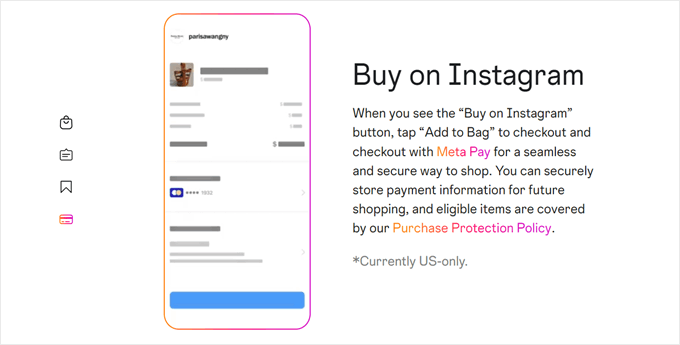
This is how almost all social media platforms offer buying and selling products and services to everyone.
Benefits of Social Commerce
The main benefit of social commerce is that the customer can buy any product from social media without leaving the platform. Brand promotion, marketing, and selling products are all activities performed efficiently on one social media platform.
If you are already selling products on marketplaces, you must question why we should sell products via social media platforms. This trend of online shopping is going wild because people’s interaction with social media platforms is getting higher and higher.
Why do people get more influenced to buy products from social media platforms rather than e-commerce platforms?
If some guy sees a post of a man wearing an attractive hat that he likes and notices he can buy it instantly without moving to any unknown website, then he will definitely buy it from Instagram.
When any customer sees your post through scrolling, if he likes your product, then that customer will directly come to your account. This organic branding helps entrepreneurs to decrease their customer acquisition cost through social media branding.
If you are partnering your brand with some specific influencers, this can drive more sales on social commerce.
Limitations of Social Commerce
Social commerce, which is selling stuff directly through social media, is pretty cool, but it does have some limits:
- Trust Issues: Not everyone feels comfortable buying things from social media. They might worry about scams or getting low-quality products.
- Limited Shopping Experience: Shopping on social media can be a bit clunky. It’s not as smooth or detailed as on dedicated shopping websites.
- Privacy Concerns: People might be worried about how their personal information is used and shared when shopping through social media.
- Product Discovery: Finding specific items can be harder on social media compared to a regular online store where everything is neatly organized.
- Customer Service: Handling returns, exchanges, and customer service can be trickier on social media platforms compared to traditional online stores.
- Ad Fatigue: Seeing too many ads can be annoying, and people might start ignoring them or even getting frustrated.
So, while social commerce has its perks, these are some of the challenges it faces.
How to Get Started with Social Commerce?
You should have good knowledge of how any product gets viral on social media and drive great sales. You should make the proper strategy to viral your product. Let’s understand how you can start selling your product on social media:
Choosing the Right Social Commerce Platform
Choosing the right social commerce platform is crucial because all the platforms have different types of audience. So, it will be easy to attract your customers. Before choosing the platform, you should consider these 3 following factors:
- Target Audience: You should consider where your customers are spending their time. This is how you can promote your brand via paid promotions, posts, and short videos. You have to understand the social media habits to grow your company.
- Product Type: Check that your product is visually appealing and well-suited for photos and videos. This might influence the platform.
- Platform Features: Consider what features each platform offers for social commerce. Some platforms might provide live events, product tagging capabilities, and chatbots for customer interactions if any issue arises.
Let’s break down some features of each social media platform:
- Instagram: Instagram allows you to shop via posts or reels. You just need to click on the “BUY NOW” button. You can start selling accessories, fashion, homeware, or anything that can attract customers via photos and videos.
- Facebook: This platform is perfect for those businesses that already have Facebook pages. They can contact their customers via Facebook Messenger for customer service inquiries.
- Tiktok: Check that your customers are using Tiktok, then you can start selling products by making short videos and live streams.
Setup Social Media Profiles for Your Business
If you are using your personal account for your brand, then you will have very limited features. So, change your personal account to a business account, then you are allowed to check the analytics and overall growth of the company.
Now, note one thing: first impressions matter. Create a visually appealing and informative profile that showcases your brand properly.
Consider these key elements to attract new customers:
- Profile picture and cover photo: You have to add high-quality images that can represent your brand voice to the customers. Make a cover photo in such a way that it should be recognizable by the customers because it is a great chance to show your brand aesthetics.
- Engaging bio: Use the bio in such a way that customers should be able to know what your product is. You should place some relevant keywords that can showcase your brand; this way, your customers will easily locate through the platform’s search engine.
- Website link: Add a clickable link to your website in the bio. This makes it easy for your potential customers to check your full range of products and make a purchase smoothly.
Now your profile is fully set up. Start by introducing your brand to the customers. Customers should have the knowledge of what your brand is about, what the product is, and the whole story of why you have started.
Make some high-quality photos and videos of your most selling products or new arrivals. It is crucial to make high-quality photos and videos for social commerce.
Give special discounts to new customers. This way, you can easily compete with the competitors and encourage customers to check your product catalogue.
Organizing contests and giveaways is a fun way to increase engagement and brand awareness. Give a free product or a huge discount on the product to a lucky winner and tell them to follow your page, like your posts, and refer to a friend.
Create a Shoppable Social Feed
Now you have created an attractive profile; let’s move on to creating a shoppable social commerce feed. You can add product tags to the post, making it easy for customers to discover your products.
When you add products to the platform, the setup processes and functionality differ according to the country and platform.
Big platforms like Instagram, Facebook, and Tiktok allow you to add your product catalogue to your profile. Check that in-app purchases are allowed in your region; otherwise, you can redirect your customers to your website.
One great thing about social commerce is it allows reposting user-generated content, and you can add it to your social commerce feed.
Tell your customers to post a photo of your product with a specific brand’s hashtag to increase its awareness. This will give you some organic customers through your customer’s post.
Instagram lets you add a social shoppable feed to your profile. By clicking on them, customers will directly move to your website’s product catalogue.
Stay Organized with Social Commerce Tools
Managing multiple social media accounts can be challenging. So, use some social media tools to simplify your workflows and save time.
Social media tools help you schedule your posts and publish when most of the users are active for better reach. You can check the analytics and develop a strategy to grow your business. We recommend the standard SEMrush social tools because they have a variety of features to manage your multiple social media accounts.
After signing up for an account with SEMrush, you can now add multiple social media accounts to SEMrush social. The setup is easy and won’t take much time.
Now, you can explore the unique features that they are offering with the premium subscription.
For instance, the social feature allows you to schedule content, set up an editorial workflow, or even gather content ideas—all in one platform.
Make Your Business Visible in the Right Local Market
Optimizing your social media profiles for local searches can significantly increase the likelihood of your business appearing in relevant search results. This approach draws in qualified leads who are nearby and more likely to make a purchase.
To effectively tailor your social commerce strategy for local audiences, ensure your location is prominently displayed on your profiles. You can add your city and state to your business name or bio and consider listing your address if it suits your business.
It’s also beneficial to target your ads geographically, directing them at individuals within your specific city, town, or neighborhood instead of a broader audience.
Moreover, ensure that your landing page for ads is well-optimized so that visitors remain engaged once they arrive.
Don’t underestimate the impact of hashtags. Incorporating relevant city or neighborhood hashtags in your posts can enhance your discoverability.
Keeping your business information consistent across various online directories can be a hassle, but tools like Semrush Local can simplify the process.
Semrush Local helps maintain the accuracy of your business information—such as your name, address, and phone number—across major online directories, including platforms like Facebook and Instagram.
Maintaining this consistency is vital for local SEO and can greatly improve your chances of appearing in local search results.
Conclusion
In summary, social commerce offers an exciting path for WordPress users looking to boost their sales and connect with customers. By merging social media with your online store, you can create engaging experiences that resonate with your audience. Dive in, explore different strategies, and make the most of this dynamic approach. The opportunities are endless—so get started and see where it takes you!