
GICT knowledge base
Essential Steps to Start Your Own Beauty Business | Launch a Successful Beauty Brand
Published
The beauty market is the fastest growing and dynamic business that only continues to thrive. If beauty is your jam — whether it be skincare, makeup, haircare, or wellness — the demand for beauty products and services has skyrocketed in recent years.
Consumers are not just searching for products to look good or feel good, instead they buy into experiences that add to their confidence, self-esteem and overall well-being. As thrilling as it is to launch a beauty business in such a fast-expanding sector, it results in its unique challenges that must be well-prepared and carefully strategized.
If you have a passion for beauty, launching your own beauty business can be a fantastic way to break into a profitable industry while doing something you enjoy. I see beyond just a pure financial score, this has the potential to create a brand with an evergreen connection to the consumer — many of whom are extremely loyal to their favorite beauty brands or professionals.
Aside from the added sense of financial security, owning your own business also allows you to be flexible and in control of your very own creative process and overall brand direction.
Yet, launching a beauty business is not without its challenges. There are a dozen steps necessary from nailing your niche to working through finances and legalities. Getting there is not an easy path to being a strong brand and market player.
But that proper guiding and following the right path will help get rid of this trouble and build a successful beauty business that meets market needs and is at the front of the industry.
Step 1: Understand the Beauty Market
It is crucial for you to understand the industry landscape before venturing into your beauty business. The beauty market encompasses a spectrum of categories, from skincare, haircare and makeup to wellness and everything in between.
Each segment whereby you can categorize based on different trends, customer preferences and growth potential. Example: — skincare has remained on the rise as consumers pay more attention to self-care and anti-aging products. On the other hand, state-of-the-art elements of cleanliness and sustainability have even directed makeup and hair care lines. Track these trends through industry reports, social media and beauty blogs.
Identifying Your Niche
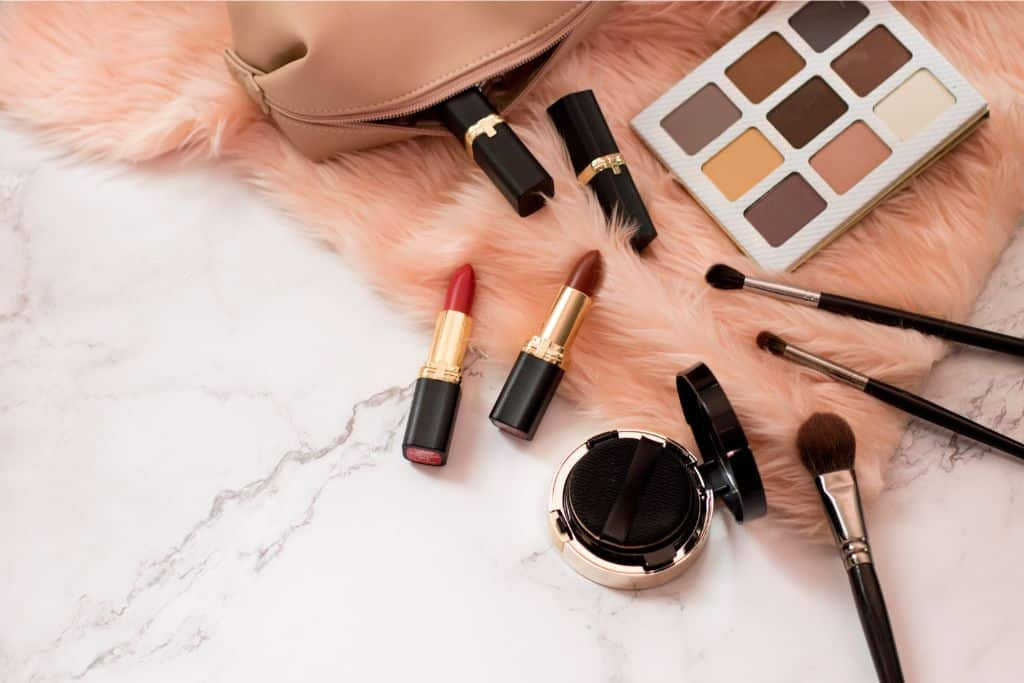
The beauty industry is very competitive, which is why finding a particular niche is important for your business’ success. You may champion organic skincare, high-end beauty services, or vegan makeup. By understanding who your target demographic is and what they want, this will help you to carve out a niche in the market.
Consider what already exists but needs something different in the industry right now — a product for a specific skin type or a certain demographic that hasn’t been addressed yet. This would serve you to develop your unique selling proposition (USP), and attract the right kind of customer.
Step 2: Develop a Business Plan
Why You Need a Business Plan
Goal setting and preparation go hand in hand, which is where a Business Plan comes into play. Your guide to staying focused and organized when starting and growing your business. It’s also a crucial resource if you are seeking funding because investors and lenders will want to understand how you plan to succeed.
Summary of a Beauty Business Plan
Finding and refining your business idea with a solid business plan. One way of finding and refining your business idea is by writing a solid business plan that covers the following major components.
- Executive Summary: Where all your business idea, aims, and dream comes together.
- Goals And Objective: Definitive, measurable milestones that you plan to achieve in the first few years.
- The Market: Describe the industry, competition and target customer.
- Marketing and Sales Strategies: How will you promote your beauty brand and make money?
- Financial Plan: The cost estimates, revenue projections, and how you’ll fund your business.
Competition Analysis — Research of Your Competitors
By analyzing competitors, you can maximize your chances of success. Follow local salons, beautician product companies and online influencers specific to your area. What are they doing well? Where are they lacking? Leverage this knowledge to fine-tune your business products and services and their corresponding price.
Finding the gaps in the market — maybe there is a customer segment that your competitors are not serving well, or perhaps there is value-added service that they have neglected to provide — can allow you to reach a competitive edge.
Step 3: Legal and Administrative Actions
Register Your Beauty Business
Choosing your legal business structure is the first step to getting your business legal. Select from sole proprietorship, partnership, LLC, or corporation. LLCs have their own advantages and disadvantages as do corporations.
However, LLCs are established as a popular business structure for most small business owners because they not only give you liability protection, but they also give you a partnership, sole proprietor or corporation taxation option as well. The next step is to select and register your business name, which represents your brand. You will have to apply for a tax federal EIN (Employer Identification Number).
Legal Considerations
Get legally started by finding the proper licenses and permits. In the case you are a service-based business (e.g., haircuts, facials, makeup application), depending on where you are located and the type of business you are operating you may need additional certifications.
To avoid being taken to court or having procedures opened against you, you are covered with insurance. And, if you’re making your own beauty products, then you want to trademark your brand name and logo to protect your intellectual property, as that is best practice as well.
Setting up your Business
Need for Physical Space: If you’re building a beauty salon or if you’re giving a beauty service face to face, location is a very important decision. Build an engaging brand space with a good location and the brand personality.
A luxury spa, for instance, may require an upscale, peaceful ambiance while a cool hair and beauty salon may need a young and dynamic appearance and vibe. Invest in the right set-up—from hairstyling chairs to skincare treatment devices to makeup stations. The design should be practical but inviting.
E-commerce And Online Presence (For Product Based Business)
The future, clearly, is online, no matter your business model. If you are selling beauty products or offering beauty services, you need a website and online store that looks and feels as perfect as you do.
You can still use platforms like Shopify, Etsy, or even Instagram to post your products and make sales. Make sure your site is mobile-friendly with a secure payment system. One of the current trends in the beauty industry is the online booking systems that help customers make appointments easier.
Inventory Management (Product Based Business)
If you will sell beauty products, you need to control stock properly. Product that is in the same line of your brands, interest and the customer demand. For this business model, arrange to buy products from wholesalers or a manufacturer so you can have your own formulas made.
Stock, pricing and packaging behavior can translate to immediate satisfaction or the opposite. If you do have one, the software will help you to stay organized and be neither overstocked or understocked.
Step 5: Establish Branding and Marketing for Your Beauty Business
Creating a Useful Brand Identity
Your value proposition, or your brand identity, is how your customers/viewers perceive your business and is the basis for how to set you apart from the oversaturated beauty industry. Choose a color palette that suits the audience you’re aiming for — soothing blues and greens for a wellness brand, or a celebratory pastel pink or gold effective for a luxury assortment.
Also define your brand’s voice — Fun? Professional? Empowering? Keeping your branding consistent between your website, social media, and packaging all work hand in hand to strengthen your brand identity and boost consumer trust.
Marketing Strategies
If you want to be seen, you need to market your beauty business well. Social media, especially outlets like Instagram, TikTok and YouTube, has some of the most powerful instruments in the beauty business. Post high-quality pictures of your products, inside views, walkthroughs and customer testimonials.
Partnering with influencers or beauty bloggers is another method to boost visibility and bring new business to the door. Not only within social media, but paid adverts can also aid more than just your campaigns and be more effective marketing to capture moments as well as the bring-back type of.
Building an Online Community
This builds trust and loyalty with your customers, which is made possible by an active and engaged online community. Ask for and engage with your followers and respond to their comments and share their posts. To do it well, ask your followers to assist you — use branded hashtags, hold giveaways, etc.

This will also keep the audience engaged, by posting helpful beauty tips, tutorials, or product reviews. Since word-of-mouth and social proof are incredibly strong in the beauty space, never forget to add customer reviews and testimonials.
Step 6: How to Organize and Manage Finances
Understanding Startup Costs
There is a high cost to starting a beauty business, and it is human to want to know about a smooth start. Common startup costs include the rent or purchase of physical space, purchasing equipment (small so your core business is beauty chairs and skincare products or styling tools) and building your website.
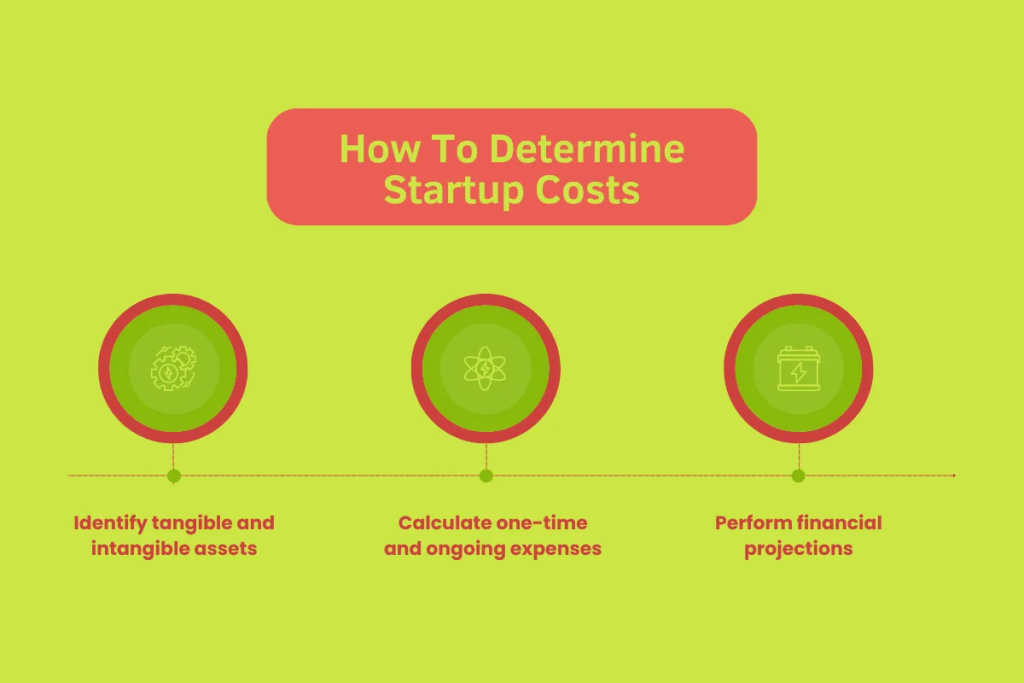
Include expenses for branding, marketing, insurance and legal fees, among others. Before you dive in, have a comprehensive estimate of all your expenses in hand and whether or not you need financing to get it off the ground.
Managing Cash Flow
Having healthy cash flow is crucial in keeping your beauty business on the right track and running smoothly. Use an accounting software like QuickBooks to help track income vs. expense, or consult an accountant as necessary. Keeping personal finances separate and organized with a business account.
Both of the above will imply looking regularly at your cash flow statements and asking yourself whether you’re on track and can afford something, perhaps restocking inventories or employees’ payslips.
Funding Your Beauty Business
If you do not have enough personal savings to finance your startup costs, there are endless ways to fund your beauty business. You may want to look into small business loans or grants, investors or crowdfunding via sites such as Kickstarter or Indiegogo.
Another thing to look into is working with other beauty professionals or brands so that you are pooling resources and spending less on the initial investment. Do not even think about seeking funding from any lender or investor without a business plan and financial projections!
Step 7: Hiring Great People
Finding the right staff is the secret to success when your beauty business is service-based. Find beauty experts whose ethics are aligned with your brand’s and who possess the necessary qualifications and experience.
For example, hairstylists and estheticians should verify that they have the correct licenses to practice in your area. So when you hire, look for people who fit the culture over raw skills; employees who share your love of beauty and customer service will push your business that much further.
Training your staff enables you to ensure that workers provide a consistent, high-level service to customers. Train staff on your beauty business services, products, and policies. Investing in customer service training is well worth the money as creating a positive client experience is essential to keeping customers coming back.
Scheduling your monthly meeting to cover local chamber of commerce membership, continuing education workshops and beauty industry trend updates, for example, will keep your team informed and engaged. Your team are an extension of your business and their happiness is so important to your brand success.
Step 8: Good Customer Experience
Customer Service Best Practices
In the beauty business, one of the best ways to foster long-term loyalty is to build a reputation for exceptional customer service. It begins with a positive environment in your business, in person or online. We trust you enjoyed our Small Business Tips: 4 ways to earn customer loyalty. Learn to handle issues well and professionally as they happen, no matter how a customer may voice dissatisfaction, it should not compromise the satisfaction of the customer.
Client Retention Strategies
Acquiring customers is one thing, retaining them is another. Membership and subscriptions that create repeat business out of one-time services by offering customers targeted discounts or exclusive services. Even personalized beauty consultations or post-appointment telephone calls will create a special feeling of being connected to your brand.
Referral programs only encourage existing customers to refer new clients organically, and that speaks volumes about the quality of your service.
The Importance of Diversifying Your Products or Services
As your beauty company grows, consider expanding your product or service line so you can better meet the evolving needs of your customers. That could mean launching complementary product categories like personal hygiene or teaming up with third-party services — makeup or massages, for example. If you own a beauty salon, you can do additional services like facials (which are beauty), waxing or eyelash extensions.
By extending your offering (and therefore possible service) you can provide customers with a wider range of client interactions, and increase the lifetime value per client.
Scaling Up Your Operations
It’s the right time to scale your operations only after you have a good number of customers. That may mean opening additional locations, whether in your city or elsewhere, or expanding your online footprint. For example, if you run a successful physical store, launching an e-commerce website can help free up new bandwidths of revenue.
You can also automate parts of your business — such as appointment booking or inventory tracking — to streamline your business, making scaling your business easier as you grow.
Long-Term Growth Strategies
As you expand your beauty business, map out a profit-generating strategy that cultivates sustainable growth for the long run. Consider franchise opportunities, meaning that if other people wanted to replicate your success in different markets they could. Investing in trends is another way to beat the game, whether it’s virtual consultations, personalized skincare tools or innovative beauty technologies. Collaborating with larger beauty brands or retailers can help you unlock new revenue streams and bolster your business’s prestige.
Track and Optimize the Campaign
Tracking your Key Performance Indicators (KPIs) is essential for ensuring your beauty business is on track. Some of the best ways to measure (track some of those key metrics) include sales revenue, customer acquisition costs, retention rates, and customer satisfaction scores, etc. Tracking these numbers allows you to see what’s working and what needs improvement. Gather relevant data through Google Analytics, social media insights, customer feedback surveys, and other tools that can help in your decision-making.
Adapting to Industry Changes
Unlike some other industries that have a single narrative, the beauty business is by no means dead. Rather, it is still very much alive, with trends, technologies, and customer preferences constantly shifting. Keep up with industry news, attend beauty trade shows, and look for thought leaders in the beauty space to stay up to date. More importantly, listen to what your customers tell you when they complain; listen to their wants and needs, and consider whether you could add this feedback to enhance your offerings.
Conclusion
Starting your beauty business can be exciting and potentially very rewarding, but it definitely requires commitment, artistry and effort. So let’s dig into some of the important building blocks that businesses new and alike need: market research, business plans, legal requirements, branding and marketing.
As your business grows, remember that the beauty industry is centered around innovation, recognizing your customers and remaining at the forefront of trends. Understand your performance constantly, be aware of the market and contribute the best in customer service. Then your market will want to be loyal.
Armed with this guide, you are not only setting yourself up to launch a successful beauty business, but you are also laying the groundwork for ongoing success and growth! So, whether your business goal is to open a beauty salon, sell natural beauty products or to offer specialized beauty consultations, with the right attitude and approach you can succeed in this dynamic industry.
Related guides
The Ultimate Guide to Starting a Print-on-Demand Business
Discover how to start your own print-on-demand business, from choosing a niche to marketing your products, in this ultimate guide.
EcommerceVideo SEO: Best Tips to Boost Your Visibility on YouTube and Vimeo
Discover essential tips and strategies for Video SEO to increase your video visibility on platforms like YouTube, Vimeo, and more.
EcommerceTop Strategies for Building a Powerful Brand in 2025: Essential Trends & Tactics
Explore key trends and actionable tactics to create an impactful brand in 2025.
EcommerceDomain Flipping: A Comprehensive Guide to Buying and Selling Domains for Profit
Discover the lucrative world of domain flipping with our beginner's guide.